

Preserving the Family Cabin or Family Beach House: Planning for Generations of Shared Enjoyment
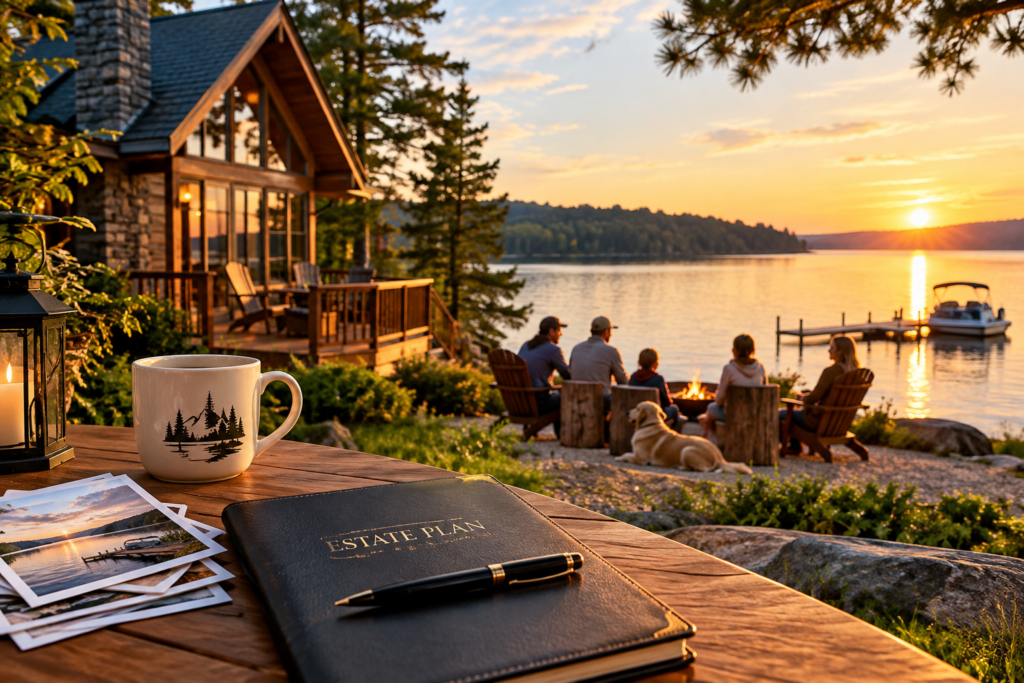
The family cabin may be where your children learned to fish. The beach house may be the one place everyone still gathers each summer. Over time, a property can become part of a family’s identity; a connection to people, traditions, and memories that parents hope will endure.
Leaving that property to the next generation requires careful planning. The estate plan must address how the family will use it, pay for it, manage it, and adapt as circumstances change. Without that detail, even a deeply loved property can become a source of resentment.
Begin with an honest conversation 
Before choosing an ownership structure, find out whether your children actually want to share the property. Their affection for it may be equal, but their ability to participate may differ considerably. A child who lives nearby may expect frequent access. A child who lives across the country may visit once a year. Some may welcome responsibility for maintenance; others may see it as another obligation in already busy lives.
Ask what each person wants, what each can realistically contribute, and whether spouses and future descendants share those expectations. These conversations can reveal problems while there is still time to address them. They also help distinguish the parents’ hopes from an arrangement the next generation is willing to maintain.
Make the financial plan as detailed as the ownership plan
A property that is paid off still has substantial expenses. Taxes, insurance, utilities, routine maintenance, and major repairs continue whether anyone visits or not. The plan should establish how those costs will be funded. Will the parents set aside a reserve? Will family members make annual contributions? Will certain expenses be allocated according to use, while others are shared equally?
A reserve can give the arrangement a strong start, but it needs a realistic budget and a plan for replenishment. It should also be clear what happens when someone cannot, or does not, make a required contribution. Otherwise, the family member who repeatedly covers the shortfall may eventually feel taken advantage of.
Put practical rules around use
“Everyone can use it” sounds generous. It does not resolve competing requests for Thanksgiving, spring break, or the Fourth of July. A workable arrangement should address reservations, priority periods, cancellations, guests, pets, cleaning, and responsibility for damage. It should also distinguish use by an owner from use by that owner’s adult children or friends.
As the family expands, scheduling becomes more complicated. Rules that work for three siblings may need adjustment when their children begin forming households of their own. The goal is to make access predictable and fair enough that family members can enjoy their time together without renegotiating the arrangement every season.
Give someone clear authority to manage the property 
Someone must arrange repairs, renew insurance, pay bills, maintain records, and respond when a pipe bursts. That person needs defined authority, an appropriate budget, and a clear understanding of whether the work will be compensated. Families should also decide which decisions require broader approval.
Replacing a broken water heater may be routine. Adding a bedroom, permitting rentals, borrowing money, or selling the property deserves a different decision process.
Requiring unanimous agreement on every issue can leave the property poorly maintained. Giving one person unlimited discretion can create a different set of tensions. The governing documents should establish a practical balance, along with a process for resolving disagreements.
Provide a realistic way to leave
A child’s circumstances may change. Financial pressures, health issues, relocation, or simply different priorities may make continued participation impractical. An exit process should address whether an interest can be transferred, who has the opportunity to purchase it, how the price is determined, and how payment will be made.
Affordability matters on both sides. A departing family member may need liquidity, while the remaining family members may lack the cash to fund an immediate buyout. Planning should also address what happens at an owner’s death and how spouses, descendants, or trusts may participate in the future. Those transitions can substantially change the number of people involved and the way decisions are made.
Build in flexibility and a thoughtful sale process
Preserving the property for future generations is a meaningful goal. Circumstances may nevertheless make continued ownership unworkable. The property may become too expensive to maintain. The family may stop using it. A growing number of owners may make the arrangement increasingly difficult to administer.
The plan should allow appropriate revisions and establish when a sale can be considered, who can authorize it, and whether interested family members have an opportunity to purchase the property first. Clear provisions can help a family make a difficult decision without turning it into a prolonged conflict.
Match the legal structure to the family’s needs 
A trust, limited liability company, or coordinated arrangement may be appropriate, depending on the property, the family, and the planning objectives. The choice deserves careful legal and tax review. Equally important are the provisions governing use, expenses, management, transfers, disputes, and future changes. A structure alone cannot answer those questions.
Preserving a family property takes more than preserving its title. It takes an arrangement that people understand, can afford, and are willing to participate in. For a cabin or beach house to remain a place of shared enjoyment, the planning should give the next generation clear expectations, practical responsibilities, and room to adapt.

